Emotional Piggy
Wellbeing insights beyond generic scores.
Emotional Piggy helps companies, schools, and small teams understand the hidden patterns behind stress, burnout, motivation, and emotional pressure.
Instead of giving you a simple score like “your team anxiety level is 6.3”, we build tailored assessments and AI-assisted reports that explain what is happening, why it may be happening, and what kind of support may work next.
We combine custom anonymous wellbeing questionnaires, AI-assisted pattern analysis, and anonymised group-level reports to help organisations understand what people may be experiencing — without exposing individual identities.
Not diagnosis. Not labelling. Just clearer patterns, earlier signals, and more practical support.
Contact Info
© 2026
All Rights Reserved
50% of lifetime mental health conditions begin by age 14, and 75% by age 24. (NIMH, 2023)
Among 15–29-year-olds, suicide is the 4th leading cause of death worldwide. (WHO, 2021)
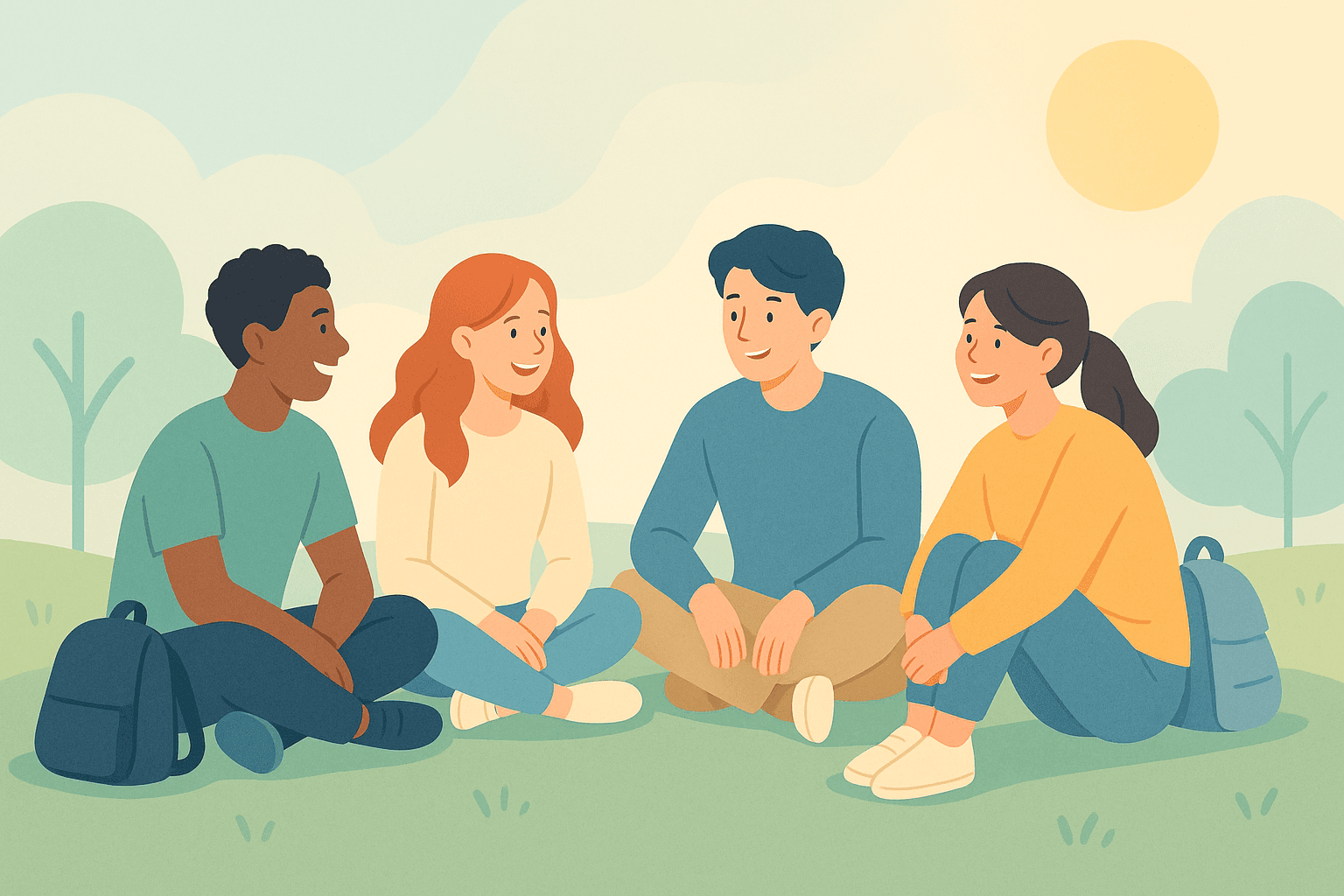
Schools and universities are often the frontline where hidden issues first appear.
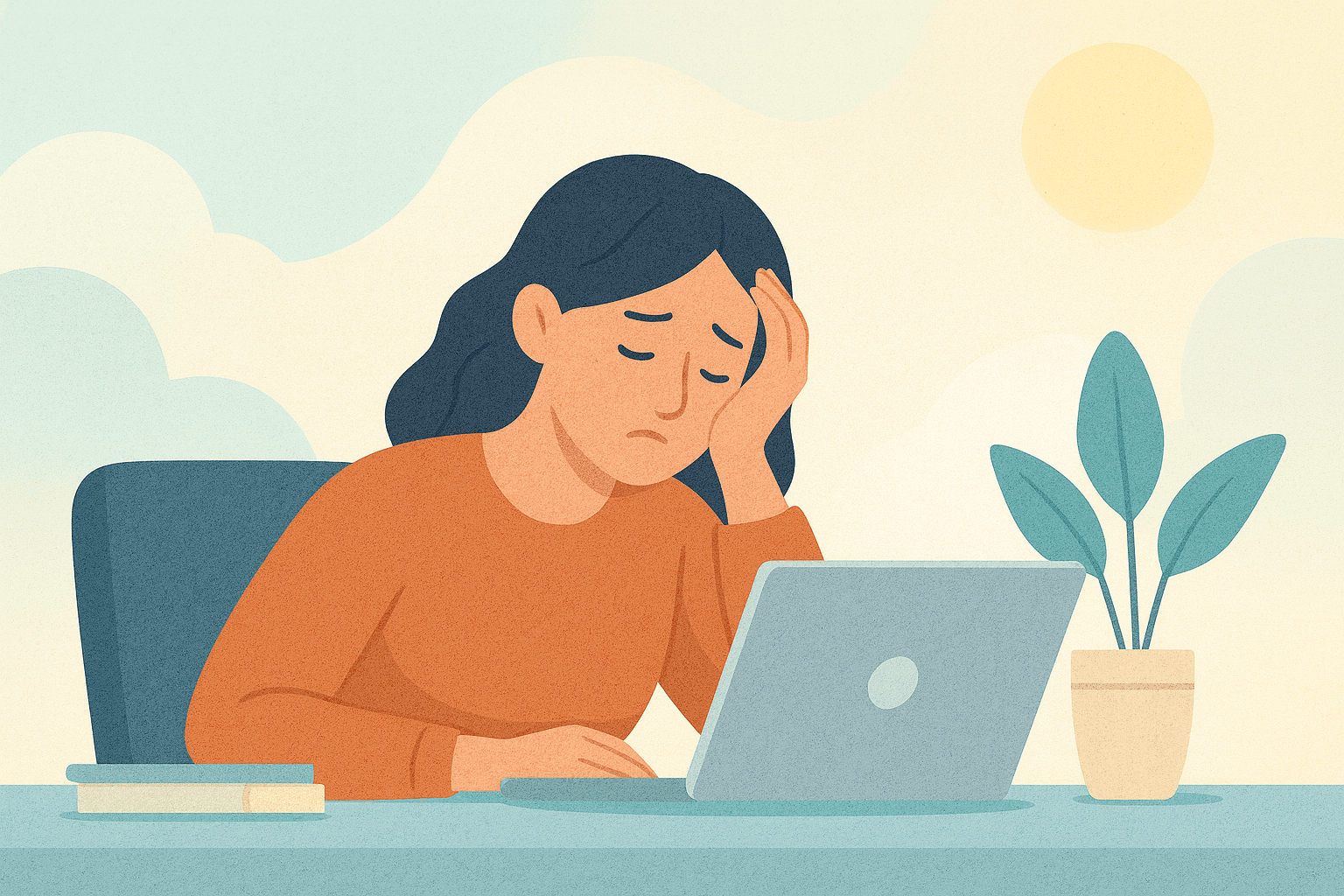
Around 60% of employees report experiencing at least one mental health symptom (e.g., stress, anxiety, or sleep issues) in the past year. (APA Work and Well-Being Survey, 2022)
Mental health struggles are a leading factor behind burnout and reduced productivity.
Many cases are latent — employees may look “fine” until stress pushes them beyond the limit.
More than 20% of adults aged 60+ suffer from a mental or neurological disorder. (WHO, 2017)
Depression in older adults is often underdiagnosed, yet it increases risks of chronic illness and reduced quality of life.
As populations age, supporting mental health in later life becomes increasingly critical.

Mental Health Importance
Individuals
💡 The foundation of daily life: Good mental health supports clear thinking, emotional balance, and healthy relationships.
⚠️ Risks when left unaddressed: Conditions like anxiety or depression can worsen, leading to sleep problems, low energy, and reduced quality of life.
⏳ Early detection is powerful: Half of all conditions begin by age 14, and 75% by age 24. (NIMH, 2023)
🌱 Building resilience: Regular self-checks and conversations promote resilience, confidence, and self-awareness.
Organizations
💸 Hidden costs: Mental health issues cost the global economy over $1 trillion each year in lost productivity. (WHO, 2022)
📉 Sick leave risk: Employees with untreated stress are 2–3x more likely to take sick leave. (OECD, 2021)
🤝 Collaboration breakdowns: High stress increases communication problems by 62%. (APA Work & Well-Being Survey, 2022)
🔄 Turnover and burnout: Untreated issues increase turnover, recruitment, and training costs.
At EmoPiggy, we don’t believe in one-size-fits-all. We design tailor-made assessments that adapt to your organization’s real needs. Our process is simple, powerful, and built to deliver insights that others can’t.
🔍 Step 1 — Understand your needs
We begin with a short conversation to understand your organisation, current pressure points, and what kind of wellbeing insight would actually be useful.
📝 Step 2 — Build a tailored assessment
We create a custom assessment based on your goals, instead of using a generic template or one-size-fits-all wellbeing survey.
Step 3 — Analyse group-level patterns
Responses are reviewed at an anonymised group level. We look for recurring patterns around stress, burnout, motivation, emotional pressure, communication friction, and support needs.
📊 Step 4 – Data That Drives Action
Your organisation receives a clear report showing key patterns, possible risk areas, support gaps, and practical next steps — without identifying individual employees.
EmoPiggy helps individuals discover themselves, and helps organizations unlock the full potential of their teams. We are not just another mental health tool — we are the future of organizational well-being.
⚠️ A Note on Testing
Our self-assessments are designed to raise awareness, not to label or diagnose. Mental health is complex — no single test defines who a person is. The purpose is to build understanding, encourage self-reflection, and support better conversations. What truly matters is giving both individuals and organizations the knowledge and tools to foster healthier, happier environments.